Football restarted in the Bundesliga on the 16th May, with La Liga expected to follow suit on the 11th June and the Premier league on the 17th June. One thing which has sharply stood out for those watching since the return has been the fact it is behind closed doors and the associated lack of atmosphere in the club’s stadiums.
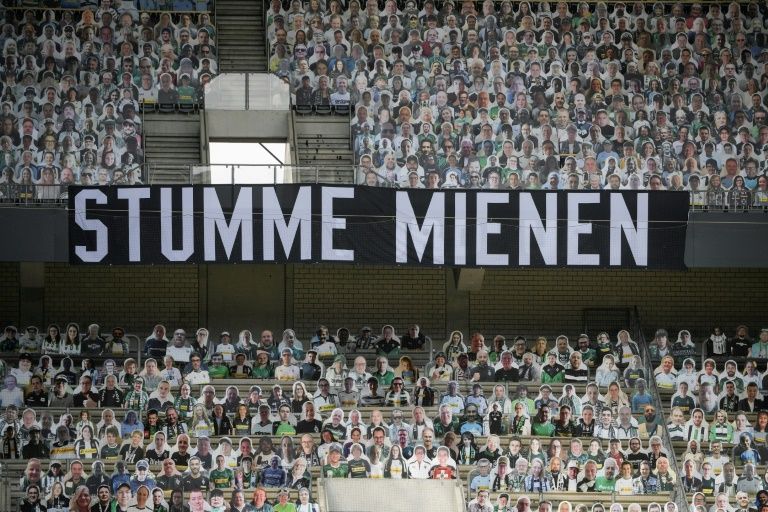
Teams in the Bundesliga have tried to combat this problem. Gladbach started the trend by introducing cardboard figures with fans photos.
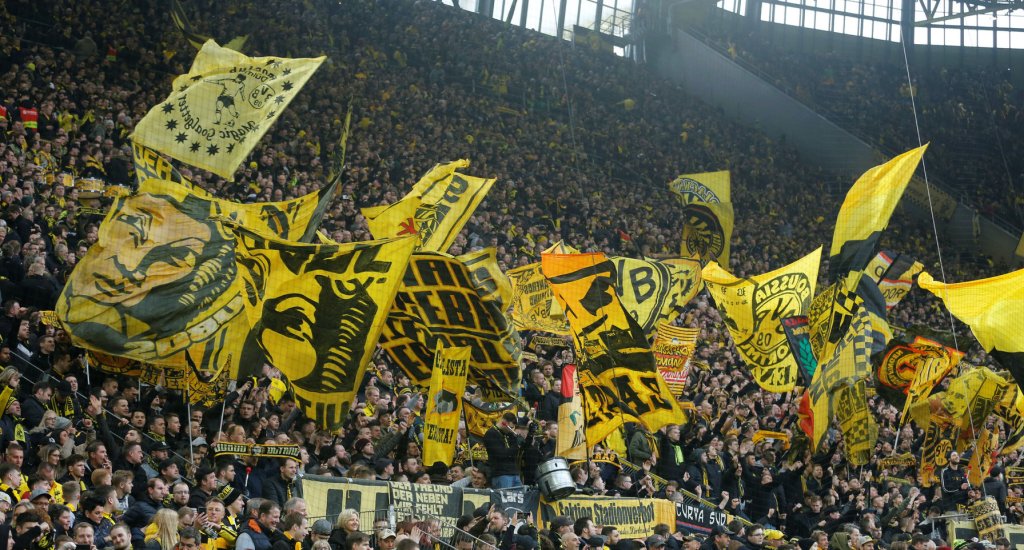
However, despite this looking like there was an attendance of fans, the atmosphere was obviously still muted. In the ‘Der Klassiker’ derby between Borussia Dortmund and Bayern Munich there were fake crowd noises to try and boost the atmosphere for the home players, with “cheers” for Dortmund and “boos” for Bayern Munich. This received mixed reviews with some people believing it was a positive for the players to have some noise and support, although some argued it was too unnatural and didn’t favour the new introduction. Such noises were nothing in comparison to the usual atmosphere of the ‘Yellow Wall’ at the Signal Iduna Park. More importantly the experiment appears to have failed to work with Dortmund, as they lost 1-0 in a poor match with more focus on the fake crowd noises rather than their derby defeat.
Already there is evidence of the home advantage that exists being damaged and perhaps reversed.
This non existent crowd has had a negative impact across teams in the Bundesliga. For example, in the past 27 fixtures since the return there have only been 5 home wins in comparison to 10 away wins. Whereas, in the 27 fixtures before the break there was 11 home wins and 6 away wins showing a complete reversal. Furthermore, two of those five fixtures which resulted in home wins since the return included Bayern Munich and Borussia Dortmund, the top two teams in the league.
These recent statistics provide a strong change compared to the Bundesliga home advantage of 58.35% in past seasons.
It really seems teams are missing their “twelfth man”. The crowd is absent but other home advantage factors include the travel fatigue for the opposition, familiarity with the pitch and territoriality should still remain for teams. It will be interesting to see whether this change continues in the Bundesliga and in other leagues such as the Premier League.
Without the fans the home advantage has effectively been neutralised and therefore will provide different results in the leagues and may have a greater impact on the end result of the table.
Thousands of German fans will be missing the opportunity to attend games at the end of the season – which tends to be the most entertaining part and when the clubs really need the support. It makes sense for the Bundesliga clubs to try ways to change this and retain an advantage in their own home stadiums but the truth is they have lost some very valuable team mates. Until the end of the season home advantage is a thing of the past.
 Over The Line
Leave a comment